Home / About Us
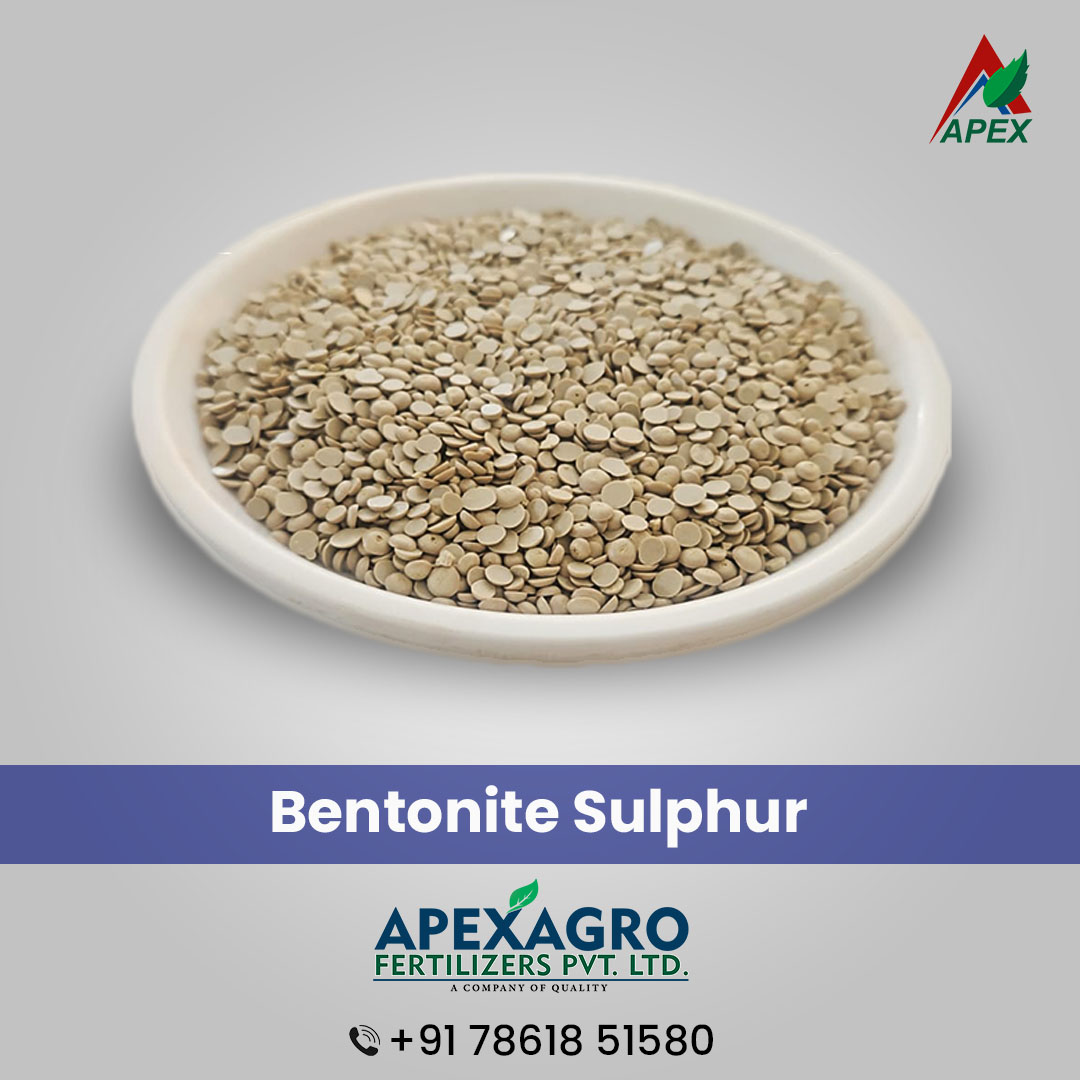
| 1 | Chemical composition | 90% sulphur, 10% bentonite clay, and 0.5% maximum moisture |
| 2 | Physical properties | Golden brown color, pastille shape, 2.0–4.0 mm diameter, and 2.0–2.5 mm height |
| 3 | Bulk density | 1.10–1.20 T/M3 |
| 4 | Packaging | HDPE bags or 25 kg bags |
| 5 | Shelf life | 5 years |
| 6 | Release type | Slow |
| 7 | Grade | Bio-tech grade |
| 8 | Specific gravity | 2.07–2.1 |
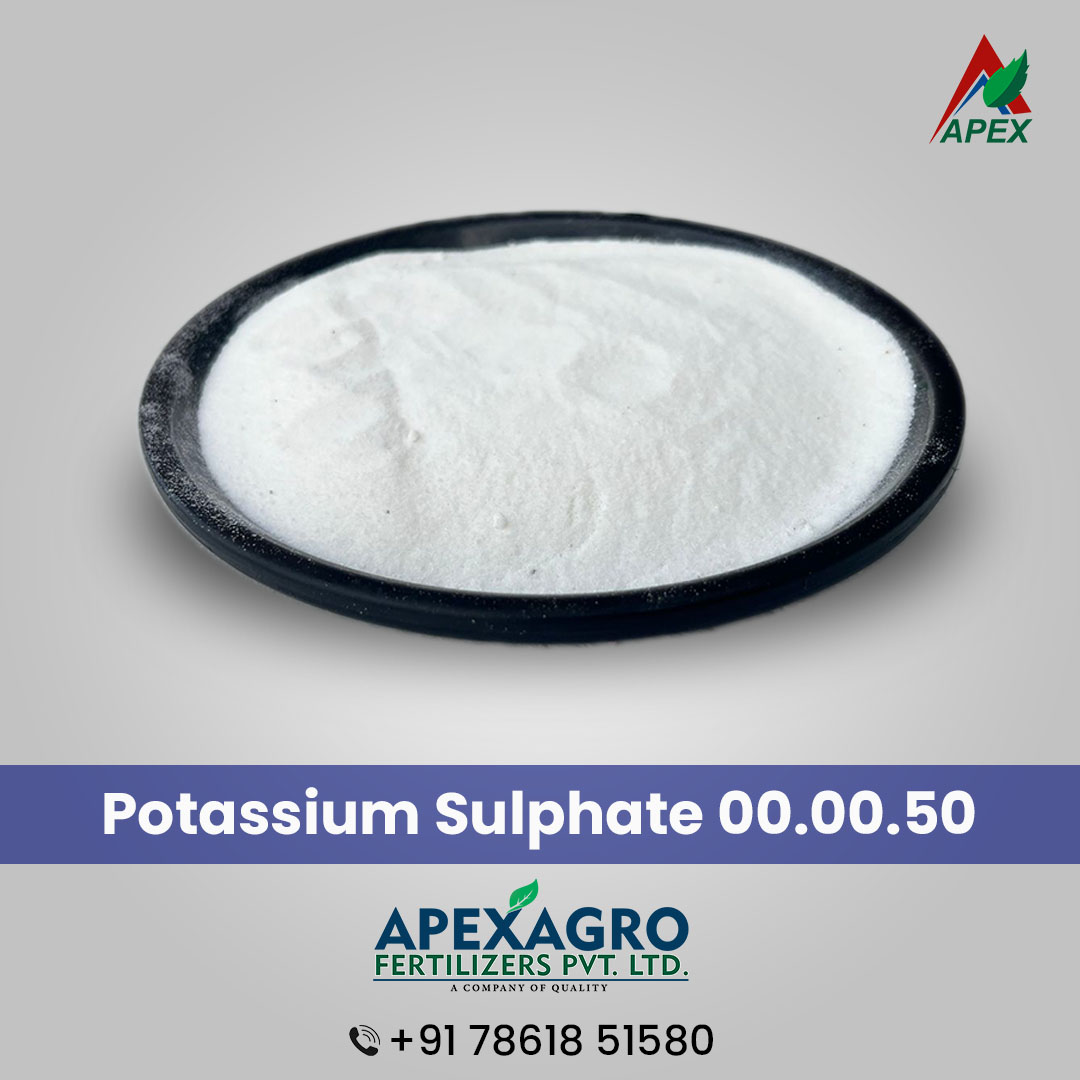
| 1 | Moisture per cent by weight, maximum | 1.5 |
| 2 | Water soluble Potassium (as K2O) per cent by weight, minimum | 50.0 |
| 3 | Sulphate Sulphur (as S) per cent by weight, minimum | 17.5 |
| 4 | Sodium (as NaCI) , per cent by weight, maximum | 2.0 |
| 5 | Total Chlorides (as CI) per cent by weight, Maximum | 2.5 |
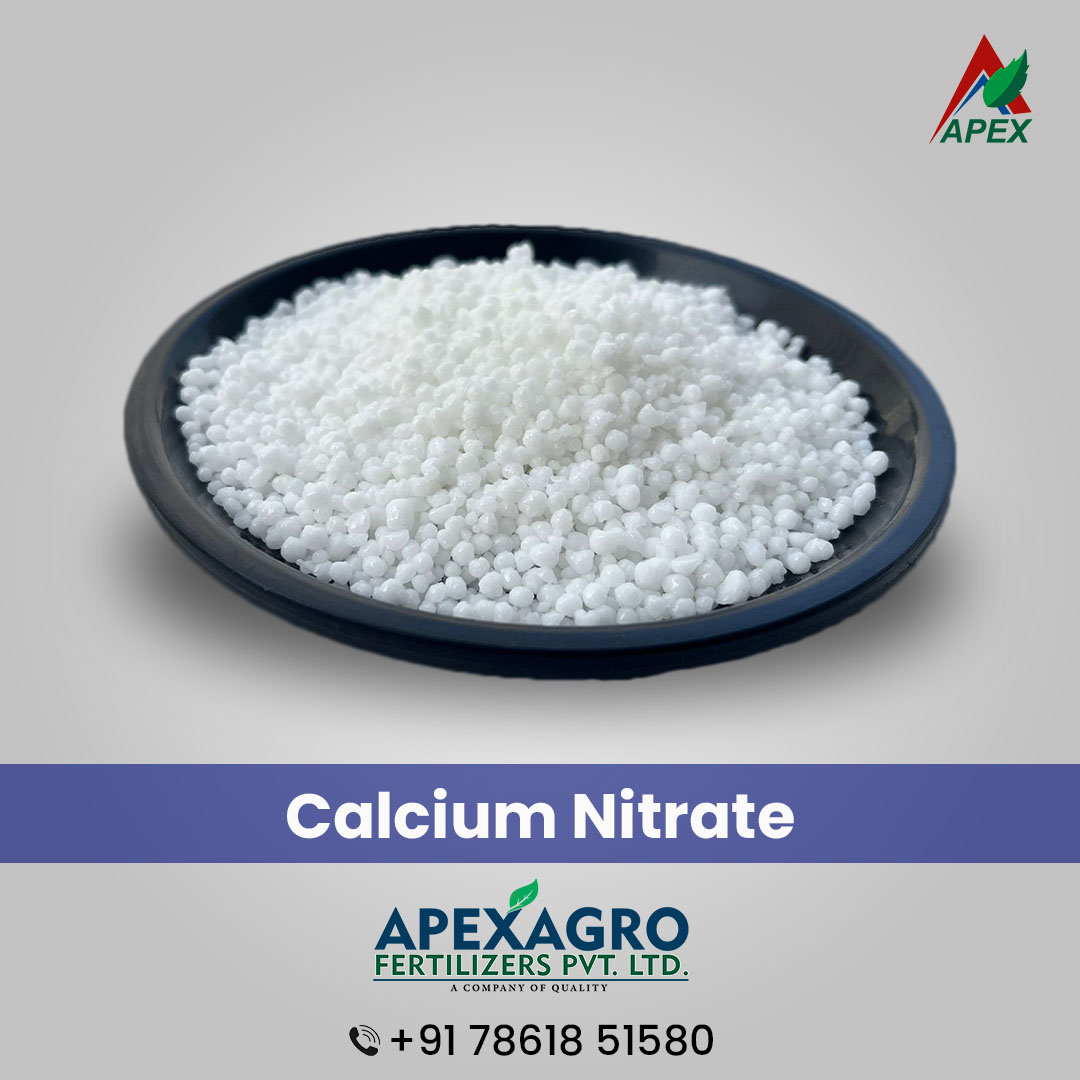
| 1 | Total nitrogen (Ammoniacal and Nitrate form) per cent by weight minimum | 15.5 |
| 2 | Nitrogen (as N) per cent by weight minimum | 14.5 |
| 3 | Water soluble Calcium (as Ca) per cent by weight minimum | 18.5 |
| 4 | Matter insoluble in water per cent by weight, maximum | 1.5 |
| 1 | Moisture per cent by weight, maximum | 0.5 |
| 2 | Ammoniacal nitrogen per cent by weight, minimum | 12.0 |
| 3 | Water soluble Phosphorous (as P2O5) per cent by weight, minimum | 61.0 |
| 4 | Sodium (as NaCI) , per cent by weight, maximum | 0.5 |
| 5 | Matter insoluble in water per cent by weight, maximum | 0.5 |
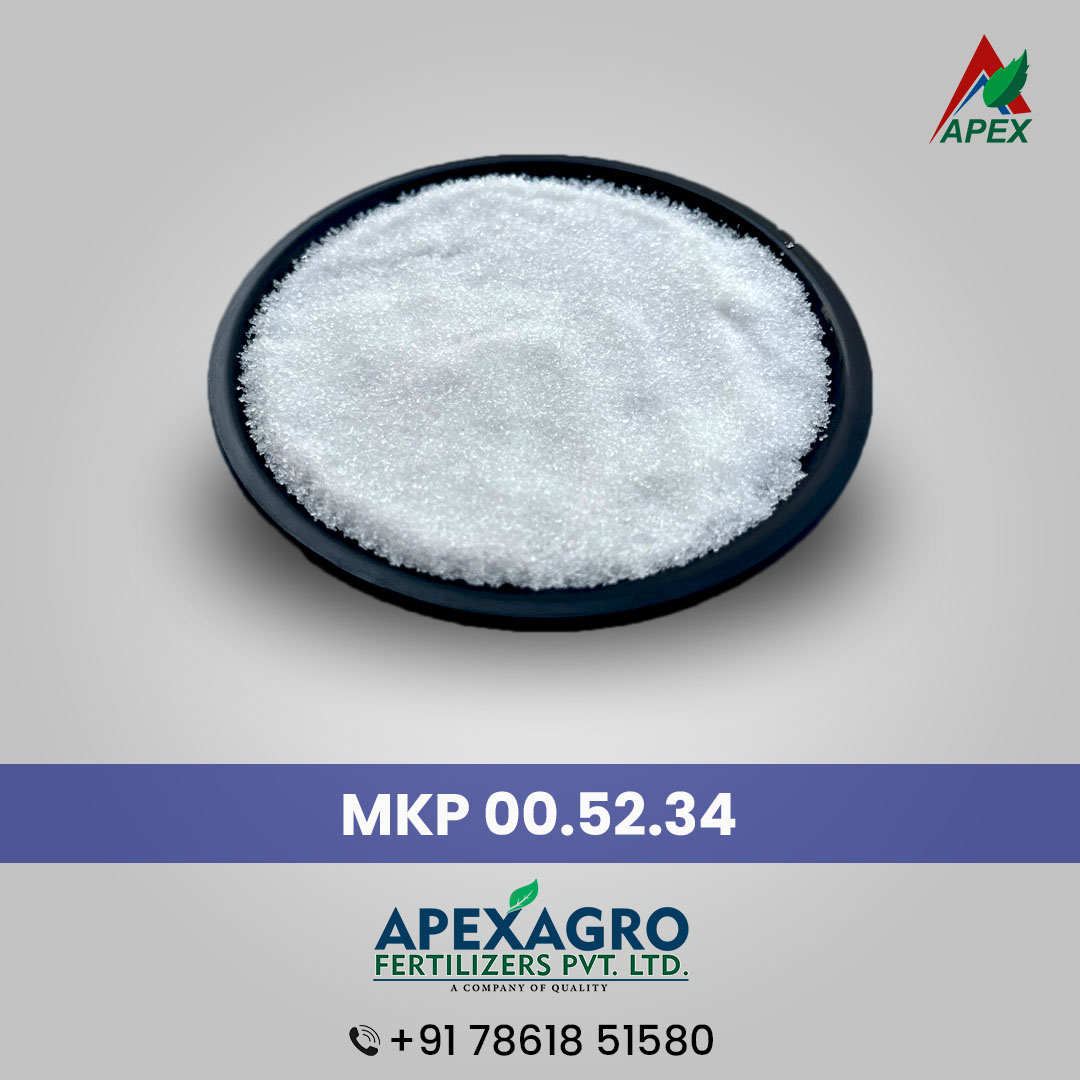
| 1 | Moisture per cent by weight, maximum | 0.5 |
| 2 | Water soluble Phosphorous (as P2O5) per cent by weight, minimum | 52.0 |
| 3 | Water soluble Potassium (as K2O) per cent by weight, minimum | 34.0 |
| 4 | Sodium (as NaCI) , per cent by weight, maximum | 0.5 |
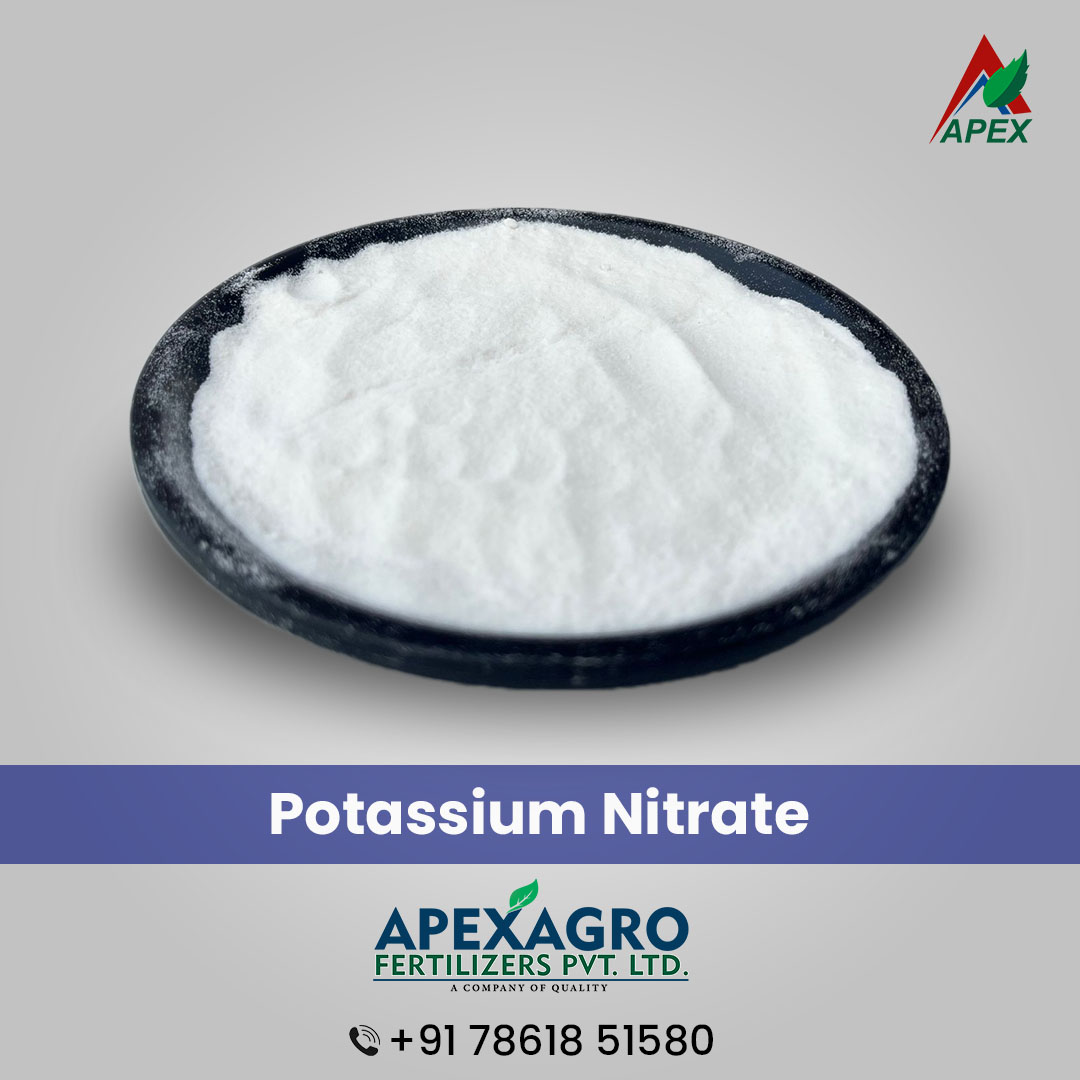
| 1 | Moisture per cent by weight, maximum | 0.5 |
| 2 | Total nitrogen (all in Nitrate form) per cent by weight minimum | 13.0 |
| 3 | Water soluble Potassium (as K2O) per cent by weight, minimum | 45.0 |
| 4 | Sodium (as Na) , per cent by weight, maximum | 1.0 |
| 5 | Total Chloride (as Cl) per cent by weight, maximum | 1.5 |
| 6 | Matter insoluble in water per cent by weight, maximum | 0.5 |
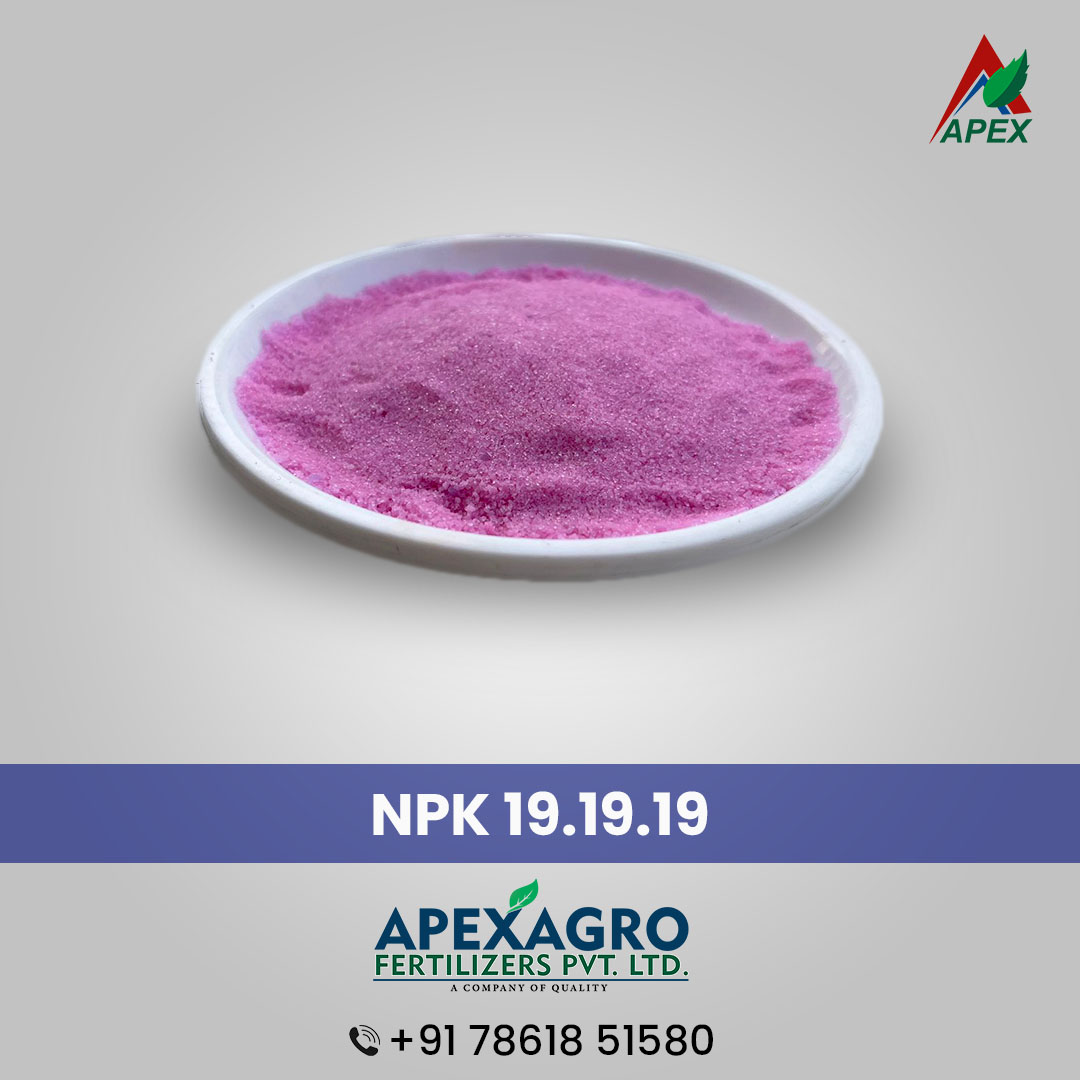
| 1 | Moisture per cent by weight, maximum | 1.5 |
| 2 | Total nitrogen (ammoniacal and urea) per cent by weight minimum | 19.0 |
| 3 | Ammoniacal nitrogen per cent by weight minimum | 5.5 |
| 4 | Available Phosphorous (as P2O5) per cent by weight, minimum | 19.0 |
| 5 | Water soluble Phosphorous (as P2O5) per cent by weight, minimum | 16.5 |
| 6 | Water soluble Potassium (as K2O) per cent by weight, minimum | 19.0 |
| 7 | Particle Size-Minimum 90 per cent of the material shall be between 1mm and 4mm IS sieve. |
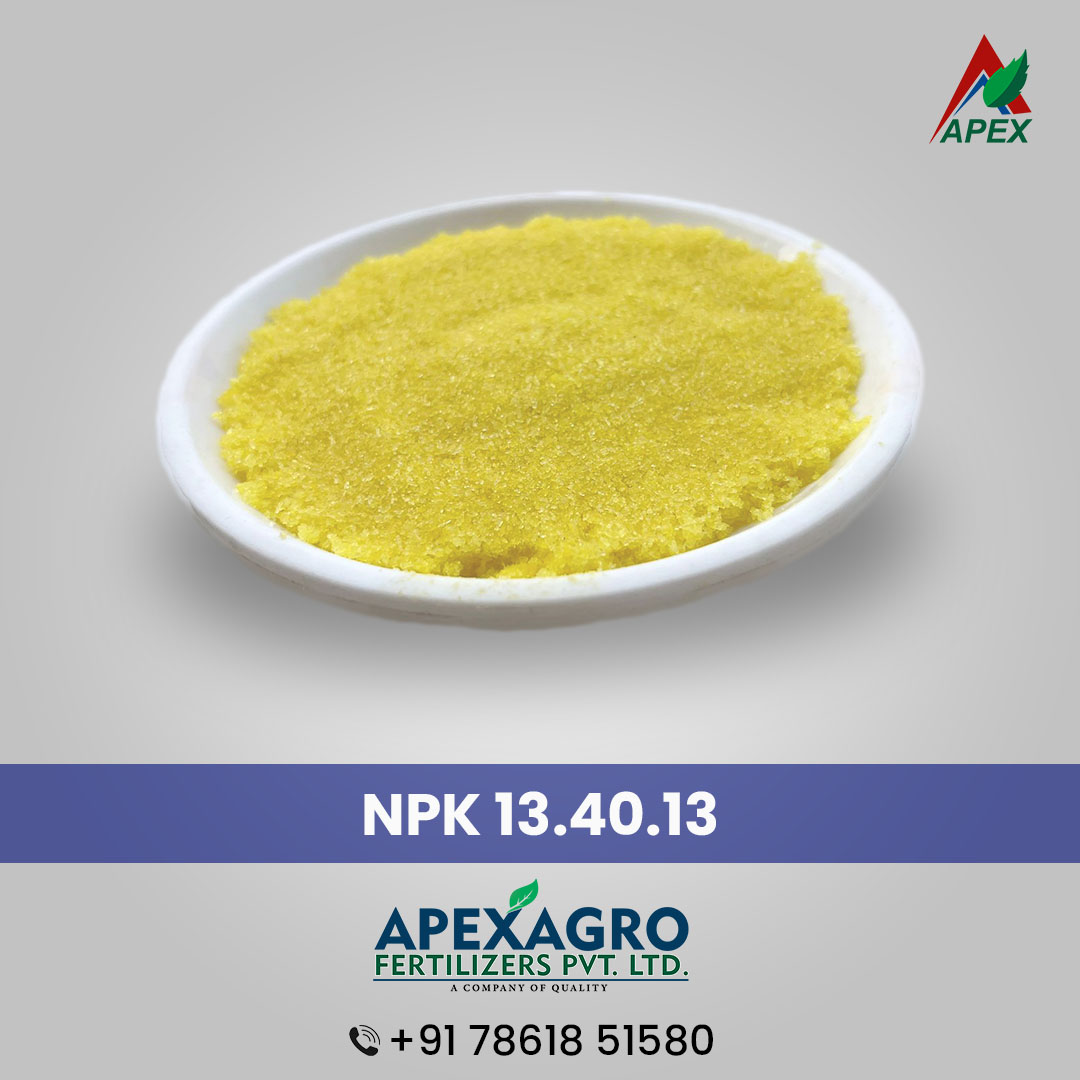
| 1 | Moisture per cent by weight, maximum | 3.0 |
| 2 | Total nitrogen (ammoniacal and urea) per cent by weight minimum | 13.0 |
| 3 | Available Phosphorous (as P2O5) per cent by weight, minimum | 40.0 |
| 4 | Water soluble Potassium (as K2O) per cent by weight, minimum | 13.0 |
| 5 | Particle Size-Minimum 90 per cent of the material shall be between 1mm and 4mm IS sieve. |
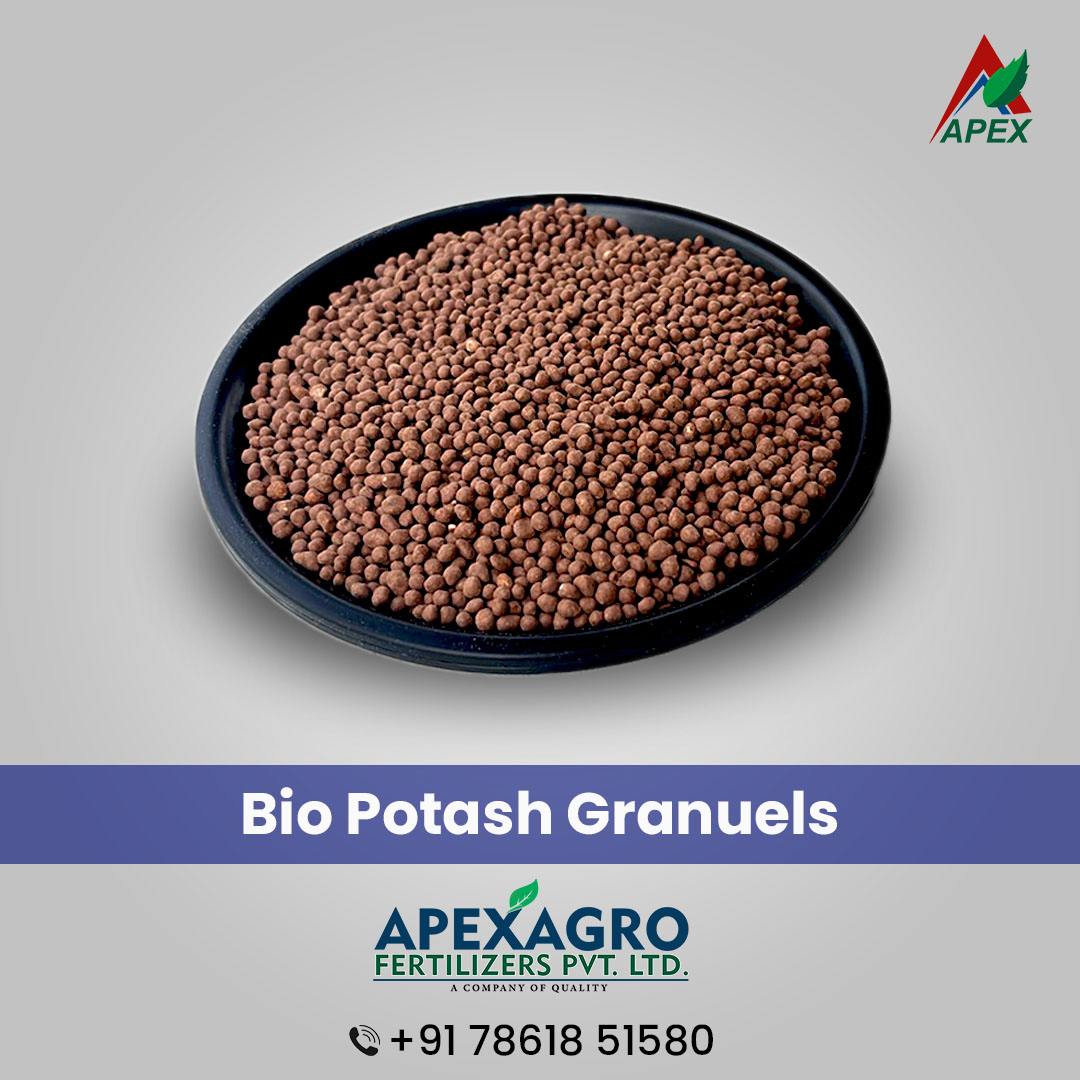
| 1 | Color | Red |
| 2 | Form | Granules |
| 3 | PH | 5.0 To 7.5 |
| 4 | Pack Type | PP Bag |
| 5 | CFU COUNT | AS PER FERTILIZER CONTROL ORDER, 1985 |
KMB (K Potassium, Magnesium, and Boron) coated granules provide a range of benefits, especially in agricultural applications. Here are the key advantages:
The KMB coating ensures a slow and controlled release of potassium, magnesium, and boron, making these essential nutrients readily available to plants over time.
These nutrients support various physiological processes, enhancing overall plant growth, stress resistance, and yield.
KMB granules help correct nutrient deficiencies in the soil, promoting better nutrient balance for optimal plant development.
The coating minimizes the risk of nutrient leaching, ensuring that the nutrients stay in the root zone longer and are utilized more efficiently by plants.
KMB coated granules can be easily integrated into existing fertilization programs, complementing other nutrient sources.
These granules can contribute to better soil aggregation, enhancing aeration and water retention.
By providing essential nutrients effectively, KMB coated granules can lead to increased crop yields and better-quality produce.
Overall, KMB coated granules are a valuable addition to fertilization strategies, helping to ensure that plants receive the essential nutrients they need for healthy growth and optimal productivity.
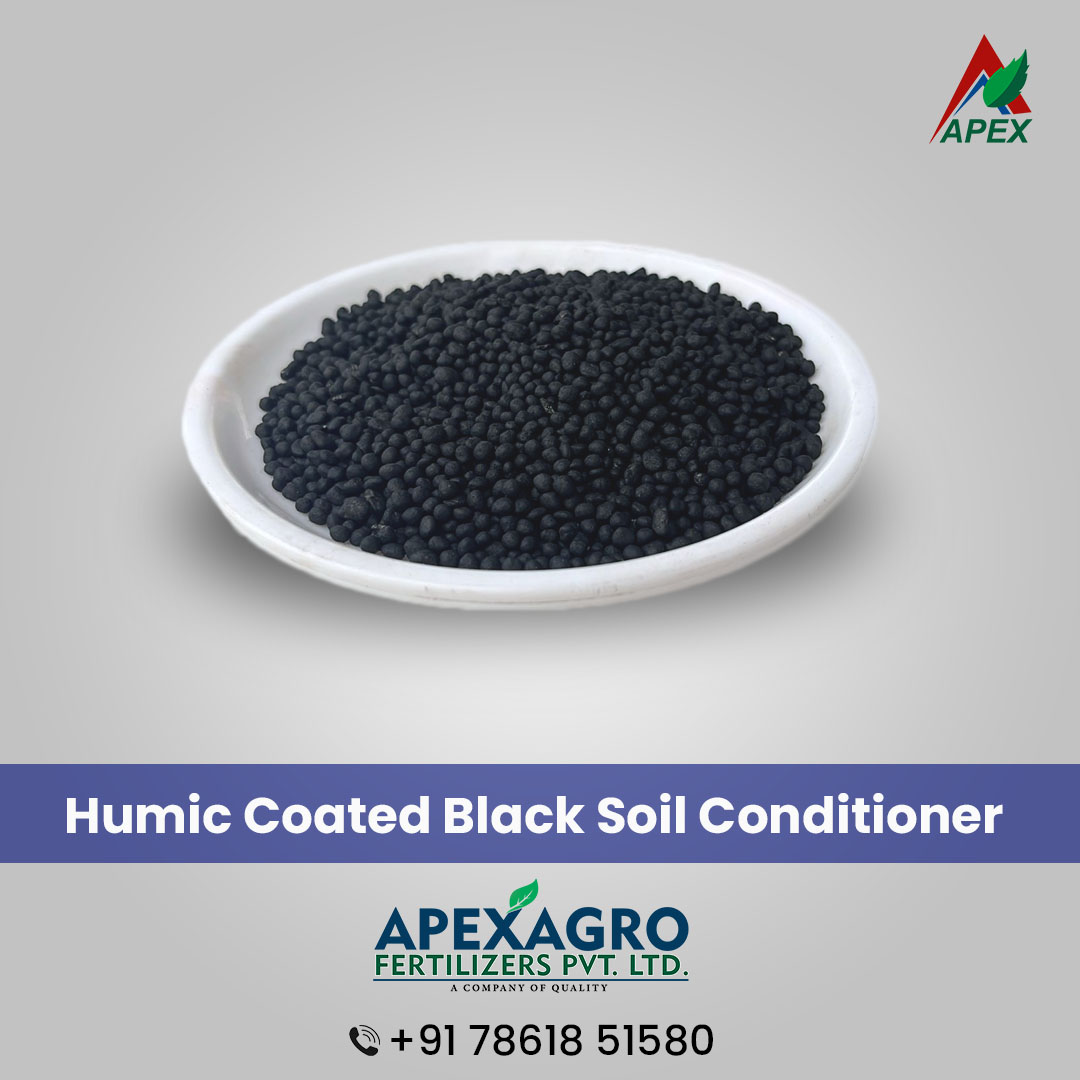
| 1 | Color | Black |
| 2 | Form | Granules |
| 3 | PH | 5.0 To 7.5 |
| 4 | Pack Type | PP Bag |
| 5 | Calcium | 17-18% |
| 6 | Magnesium | 1-2%. However it can be increased upon requirement |
| 7 | Sulphur | 12-14% |
The humic coating enhances the solubility of nutrients, making them more accessible to plants.
Humic substances improve soil structure by promoting aggregation, which enhances aeration and water infiltration.
Humic coated gypsum increases the soil's CEC, allowing for better retention and availability of essential nutrients
It helps to displace sodium ions in saline soils, reducing salinity levels and improving soil health.
The presence of humic substances stimulates root growth, leading to more robust and healthier plants.
Helps to buffer soil pH levels, maintaining a suitable environment for plant growth.
Humic substances support beneficial microbial populations in the soil, which can enhance nutrient cycling and overall soil health.
Humic materials improve the soil's ability to retain moisture, reducing the need for frequent irrigation.
The humic coating allows for a slow and controlled release of nutrients, reducing the risk of leaching.
Overall, the combination of improved nutrient availability, enhanced soil structure, and increased microbial activity leads to better plant growth and higher yields.
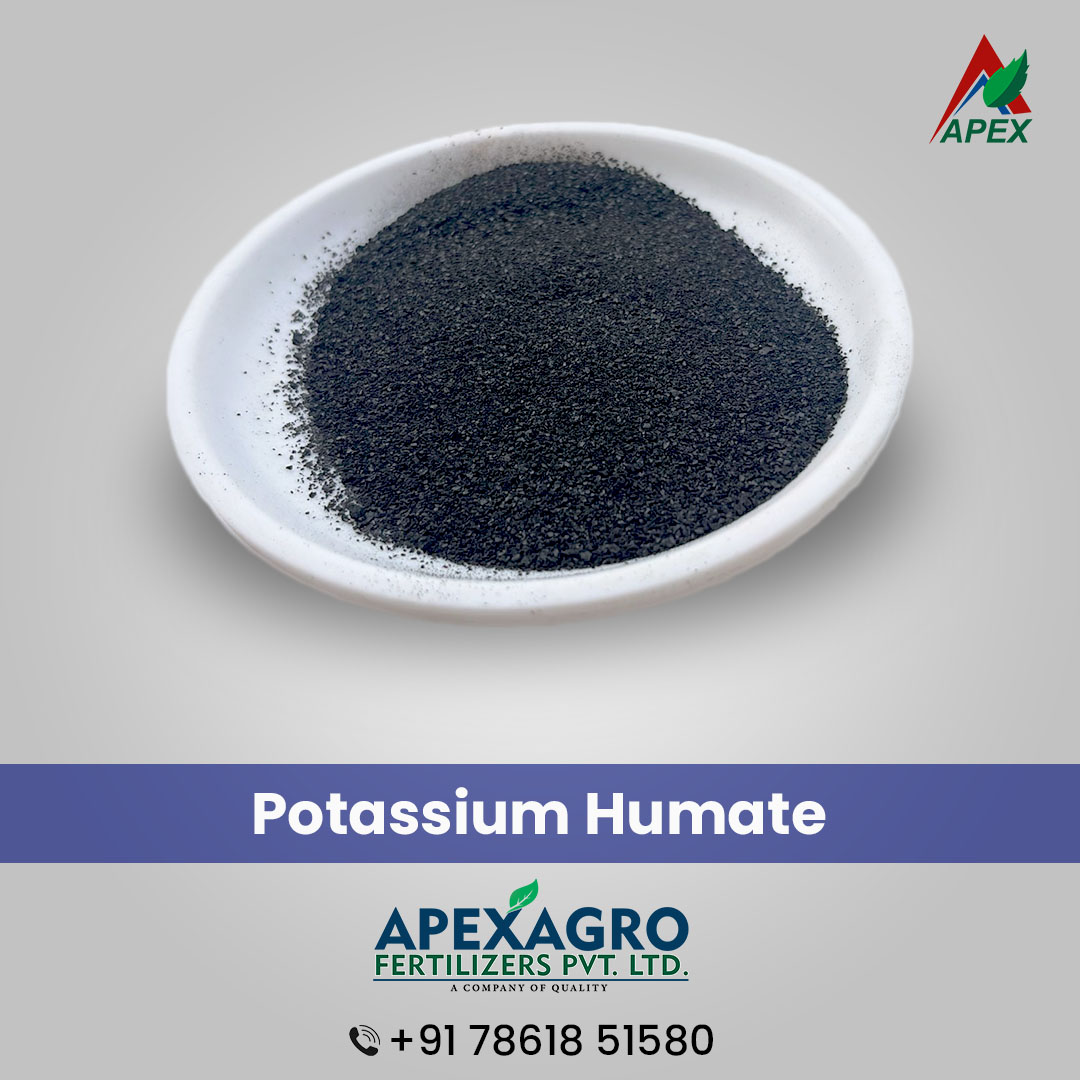
| 1 | Product Name | 98% Potassium Humate |
| 2 | Humic acid | 55-60% |
| 3 | Fulvic acid | 5-7% |
| 4 | Potassium Content | 8-10% |
| 5 | Appearance | Dark brown flakes |
| 6 | Solubility | Soluble in water |
| 7 | pH Level | 8.0 - 10.0 |
| 8 | Organic Matter Content | More than 50% |
| 9 | Moisture Content | ≤ 15% |
Enhances the solubility and availability of essential nutrients, particularly potassium.
Improves soil aggregation and structure, leading to better aeration and water retention.
Boosts the soil's ability to retain and supply nutrients to plants.
Supports root development and overall plant vigor, contributing to higher yields.
Promotes beneficial microbial populations in the soil, aiding in nutrient cycling
Helps to buffer soil pH levels, maintaining a suitable environment for plant growth.
Improves plants' resistance to environmental stresses, such as drought and salinity.
Provides a slow and steady release of potassium, reducing the risk of nutrient leaching.
Incorporating potassium humate into soil management practices can significantly enhance soil health and promote robust plant growth.
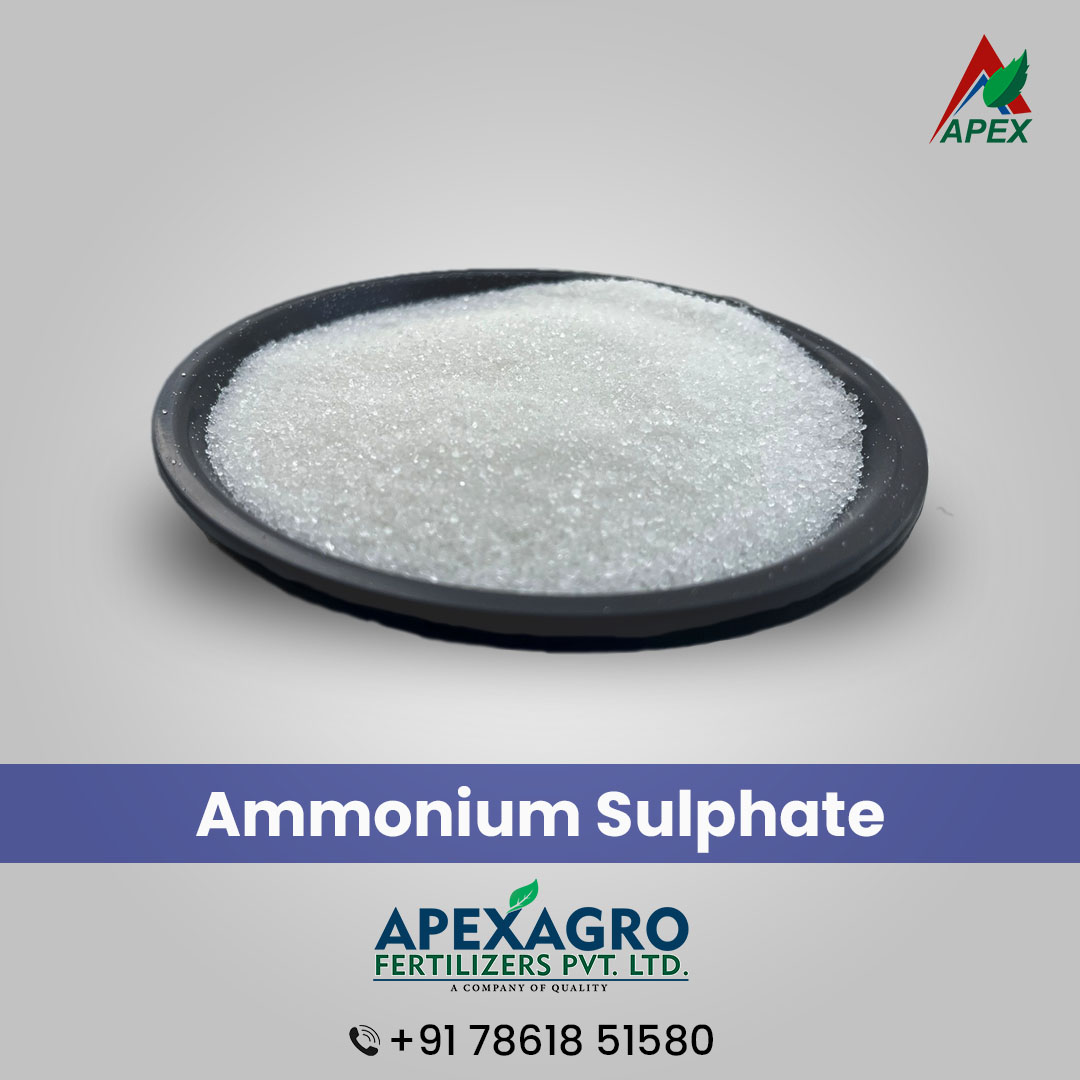
| 1 | Chemical formula | (NH4)2SO4 |
| 2 | N content | 21% |
| 3 | S content | 24% |
| 4 | Water solubility | 750 g/L |
| 5 | Solution pH | 5 to 6 |
| 6 | Appearance | White crystal |
| 7 | Density | 1.77 g/cm3 |
| 8 | Melting point | 235 to 280 °C |
| 9 | Assay (titration) | Min 98.5% |
| 10 | Heavy metal (as Pb) | Max 0.002 % |
| 11 | Chloride (Cl) | Max 0.003 % |